Advances in technology have changed many steps in orthodontics, from taking impressions to planning treatment and manufacturing appliances. Carrying out these steps on the computer is generally called digital orthodontics.
Intraoral scanning: instead of impression trays
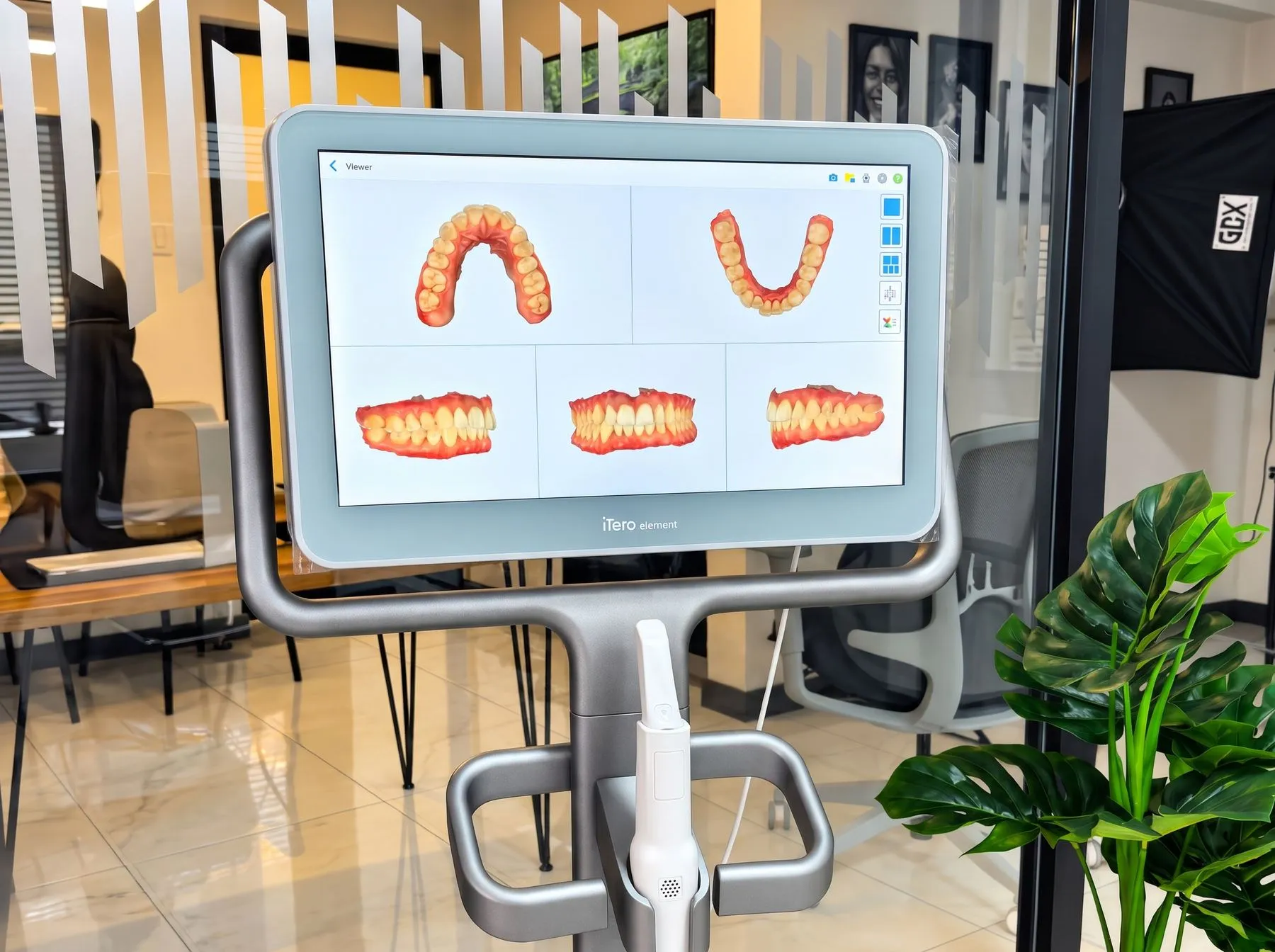
Impressions used to be taken by placing trays filled with a putty-like material in the mouth. Today, intraoral scanners can create a three-dimensional digital model of the teeth with a small camera in a few minutes.
- Since no impression material is used, it is more comfortable for people with a gag reflex.
- The scan is seen on screen immediately; any missing area is completed straight away.
- The digital model can be stored; scans from different stages of treatment can be compared.
Treatment planning on the computer
On the digital model, how the teeth will move from their current position to the target position can be planned on the computer. This is used especially in clear aligner treatment: the step-by-step movement of the teeth and the target final position can be reviewed together on screen before treatment starts.
A digital plan is a goal, not a guarantee of the result. Tooth movement is a biological process and varies from person to person. If the teeth do not progress according to the plan, a new scan is taken and the plan is updated.
Custom manufacturing
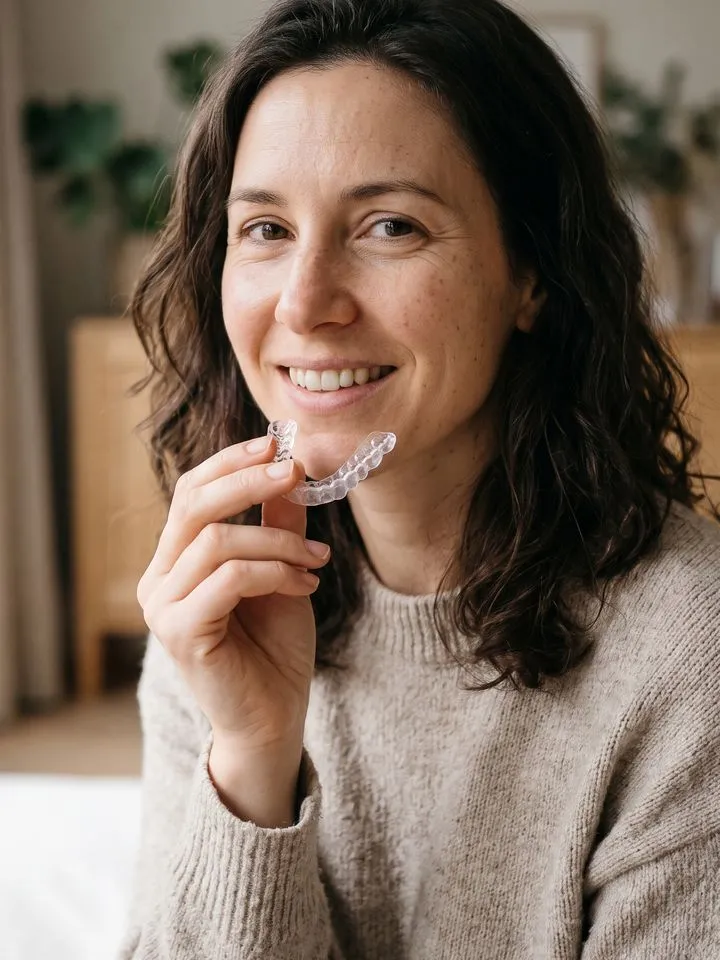
Digital impressions and plans are also used to manufacture appliances. Clear aligners, retainers, some appliances and splints can be designed individually on the computer and produced with 3D printers or similar methods. The position at which brackets will be placed on the teeth can also be planned on the computer and transferred with prepared templates (indirect bonding).
Does digital orthodontics change everything?
Digital tools make impressions more comfortable, planning more visible and manufacturing more individual. But the basis of treatment does not change: the right diagnosis, the right plan and regular follow-up. Digital tools are aids that support this process.
At our practice, impressions are taken digitally with an intraoral scanner. For the steps of the process: Treatment process