When people think of orthodontics, they usually think of straightening crooked teeth. But orthodontics covers not only the teeth but also the position of the jaws relative to each other and to the face. Jaw problems can affect functions such as chewing and speech, as well as the appearance of the face.
The most common jaw problems
- Narrow jaw: The upper jaw is not wide enough. There may be a crossbite in the side teeth, crowding, and dark spaces at the sides when smiling.
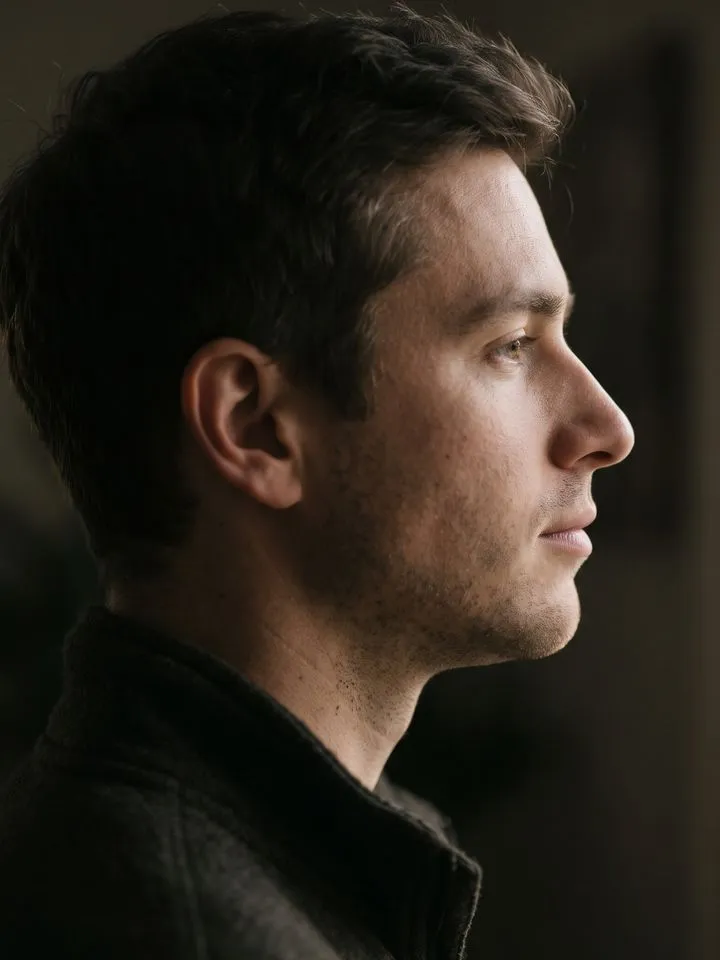
- Set-back jaw: Usually the lower jaw has not developed enough; in profile, the chin looks set back and the upper front teeth look forward.
- Forward jaw: The lower jaw has grown too much or the upper jaw is set back; the lower front teeth close in front of the upper front teeth.
- Open bite: The front teeth do not touch when the mouth is closed.
- Asymmetry: The jaw is shifted to the right or left; the two halves of the face look different.
Some of these problems are hereditary. Habits such as thumb sucking, tongue thrusting and constant mouth breathing can also affect the development of the jaws.
Why does age matter in treatment?
The jawbones continue to grow until the end of adolescence. Problems noticed during this period can be guided by making use of growth. After growth is complete, however, the position of the jawbones cannot be changed with appliances. That is why the treatment options differ with age.
During growth: dentofacial orthopedics
In children and teenagers, jaw problems can be guided with appliances such as functional appliances, jaw expansion appliances or a face mask; habits that affect jaw development are also addressed during this period. Timing is decisive in these treatments; for some problems, the best time is before or during the growth spurt. That is why a first orthodontic check-up at around the age of 7 is recommended.
More: Dentofacial orthopedics · Orthodontics for children
After growth is complete: orthodontics or jaw surgery
In adults, mild and moderate jaw discrepancies can be compensated by adjusting the position of the teeth. This is called camouflage treatment; the position of the jawbones does not change, but the bite of the teeth is corrected. For a narrow upper jaw, mini-screw assisted expansion (MARPE) may be possible in suitable patients.
In marked discrepancies, orthodontic treatment is planned together with an operation by a jaw surgeon. This treatment is called orthognathic surgery: the orthodontist and the jaw surgeon work together, and the jawbones are moved into the correct position surgically. Because the position of the jawbones changes, the facial profile also changes.
More: Orthodontics with jaw surgery
How is the right treatment decided?
By reviewing the examination, photographs and X-rays, we assess whether the problem comes from the teeth or the jaws, and what stage growth has reached. The treatment options are discussed with you, together with the advantages and limits of each.