Who is it for?
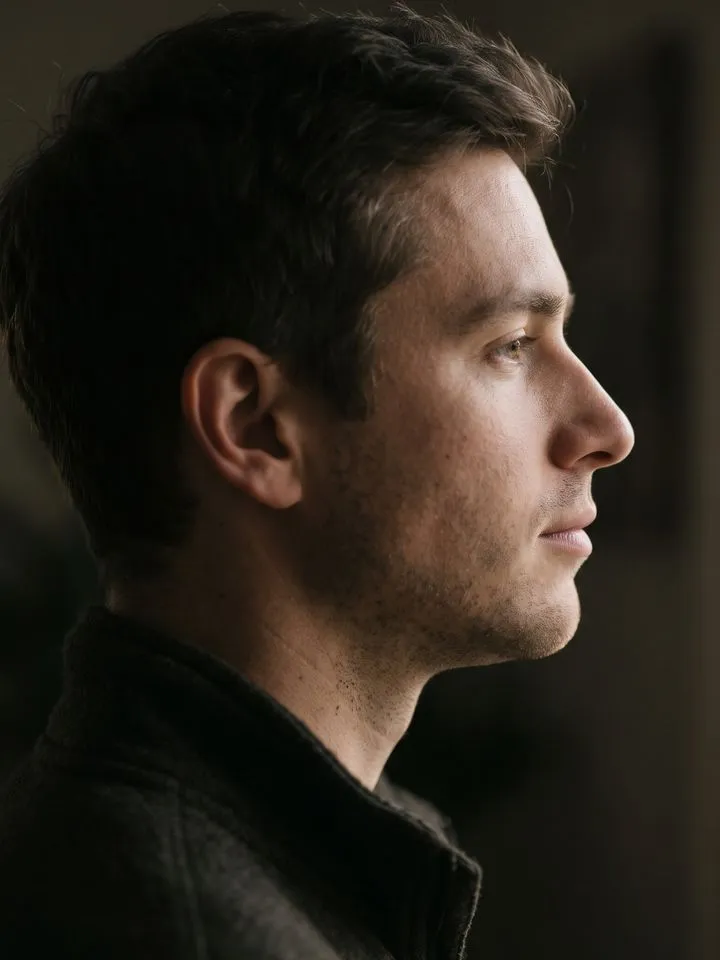
- A lower jaw that is markedly forward or set back
- An upper jaw that is set back or has grown excessively in height; too much gum showing when smiling
- A marked open bite where the front teeth do not touch
- Asymmetry of the face and jaws
- Difficulty biting and chewing; lips that close only with strain
- Some patients with sleep apnoea, after assessment by the relevant specialists
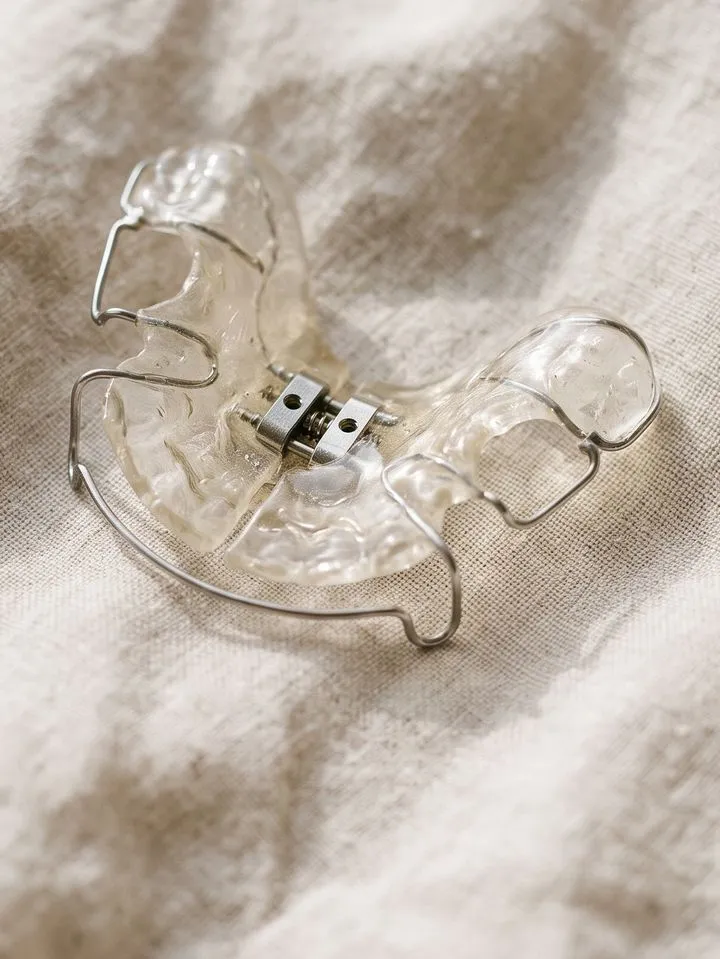
The operation is usually done after facial growth is complete. In growing children and teenagers, jaw discrepancies are first addressed with dentofacial orthopedics.
The orthodontist and the surgeon work together
Treatment follows a joint plan by the orthodontist and an oral and maxillofacial surgeon. Orthodontic treatment before and after the operation is carried out at our practice; the jaw surgeon performs the operation in hospital.
At the planning stage, the aim of the operation is set together using X-rays, a CT scan and digital models. Today, the operation is often planned in three dimensions on a computer.
Uzm. Dt. Ahmet Yaşar’s specialty thesis was on the effects of orthognathic surgery on the jaw joint.
How does treatment progress?
- Orthodontics before surgery. The teeth are aligned so that they will fit together when the jaws are brought into the correct position. The body has tried to hide the jaw discrepancy by changing the inclination of the teeth; orthodontics corrects these inclinations. For this reason, your bite and appearance may temporarily become more pronounced before the operation. This is expected.
- Surgery. Performed in hospital under general anaesthesia. The jawbones are moved to the planned position and fixed with small plates and screws. The hospital stay is usually a few days.
- Recovery. There is swelling of the face in the first weeks; most of it goes down in 2–3 weeks. For a while, you eat liquid and soft foods. A return to school or work is often possible within 2–4 weeks.
- Orthodontics after surgery. The final adjustments to the bite are made, followed by the retention period.
In some suitable cases, the operation can be performed before a long orthodontic preparation. This decision is made together with the surgeon.
As with any operation, orthognathic surgery has risks. Numbness of the lip and chin is common; it usually decreases over months and is rarely permanent. The risks of the operation are explained in detail by your surgeon before surgery.
Is orthodontics alone possible instead of surgery?
In mild and moderate discrepancies, the jaw discrepancy can be camouflaged by adjusting the position of the teeth. This is called camouflage treatment. In this treatment the position of the jawbones does not change; only the bite of the teeth is corrected.
In marked discrepancies, camouflage can strain the health of the teeth and gums or affect the appearance of the face negatively. Which route is suitable is decided by considering the degree of the discrepancy, the facial profile and your expectations together.